Uncategorized

Cardiff lends expertise to first pan-European soil erosion monitoring network

A unique scientific network setup to better understand soil erosion in Europe will draw on Cardiff University expertise.

EUROSION brings together 24 partners from 13 countries to establish the first pan-European dynamic soil erosion monitoring network.

The large-scale research and innovation project relies on 14 monitoring sites, stretching from Norway to Tunisia, which will act as open-air laboratories and cover water, wind and farming-related erosion processes.

Erosion is a major threat to processes involving soil, such as nutrient cycling, food provision and water purification.

Better monitoring and analysis of its on- and off-site effects is required according to the multi-national team.

“On-site effects refer to impacts on the land where erosion occurs such as loss of topsoil and reduced soil fertility),” explains Dr Zhuoli Zhou, from Cardiff University’s School of Earth and Environmental Sciences.

“While off-site effects are impacts elsewhere, for example sediment entering rivers or dust from wind erosion affecting surrounding areas.

“So, this network will provide valuable data to better understand these impacts arising from soil erosion processes, supporting more effective land management across Europe.”

The network aims to expand, improve and harmonise existing data, knowledge, and monitoring approaches.

These advances will enable partners to assess soil erosion status and trends across geographies and over time.

The team says doing so will help to reduce soil erosion by promoting best practices to agricultural land managers and decision-makers.

Adrian Chappell
Professor Adrian ChappellProfessor in Climate Change Impacts

Launched by the European Union (EU) with €11.49 million support, the project will directly contribute to the European Soil Strategy and the European Green Deal by providing integrated, harmonized, and dynamic understanding of soil erosion.

The project also aligns with EU goals for sustainable agriculture and climate resilience, supporting evidence-based decision-making for soil protection across the continent.

Bowelbabe Fund for Cancer Research UK supports Cardiff researchers to explore the development of a universal bowel cancer vaccine

Cardiff University scientists are leading  research into the development of a potential universal bowel cancer vaccine, thanks to new support from the Bowelbabe Fund for Cancer Research UK.

The Fund – established in 2022 to continue the legacy of the late Dame Deborah James – has surpassed a £20m milestone and has announced two new major research investments, including a Cardiff University-led project that aims to revolutionise future treatment and prevention of bowel cancer.

Professor Andrew Godkin and Professor Awen Gallimore, based in Cardiff University’s School of Medicine, will lead research to explore designing an accessible and scalable cancer vaccine for bowel cancer.

Current bowel cancer vaccines in clinical trials must be individually tailored to each patient, making them expensive, complex and out of reach for many. The Cardiff University team aims to overcome these barriers by modifying specific antigens produced by bowel cancer cells so they can be more easily recognised and destroyed by the immune system.

This approach seeks to create an “off‑the‑shelf” universal vaccine capable of treating far greater numbers of patients. If successful, the team hopes their findings could also be used to prevent bowel cancer in high‑risk individuals and pave the way for pioneering new vaccines for a range of other cancer types.

Professor Godkin and Professor Gallimore, who run a joint laboratory, are internationally recognised for their research into T-cell biology.

Professor Godkin said: “We, and the team, are incredibly humbled by the support shown to us by Dame Deborah James’s family. Our research is focused on helping the body’s immune system better recognise cancer. We do this by slightly changing certain proteins made by cancer cells, to make them more visible to the immune system. Because these proteins are found in many types of cancer, we hope this approach could work for a wide range of patients, rather than needing a different treatment for each individual. We’re still in the early stages, but the results so far are very encouraging.”

Andrew Godkin
Professor Andrew GodkinChair

Dame Deborah James, known as Bowelbabe, was just 35 years old when she was diagnosed with stage 3 bowel cancer in December 2016, which went on to become stage 4. The initial fundraising goal was  £250,000, but within the first 24 hours, it reached over £1m. Now, almost four years on, the total raised stands at an incredible £20.5m.

Chief executive of Cancer Research UK, Michelle Mitchell, said: “Reaching this £20m milestone is a true testament to Deborah’s incredible legacy. With the help of everyone who has donated, fundraised or helped to spread vital health information, as well as the tireless efforts of Deborah’s family, her impact on the lives of people affected by cancer will continue to be felt for years to come.”

Thanks to research, more than half of people diagnosed with bowel cancer in the UK will survive the disease. But there is still much more to do. These new projects announced today are another example of the hope and progress being fuelled by research in Dame Deborah’s name.

Chief executive of Cancer Research UK, Michelle Mitchell

Dame Deborah James’ mother, Heather James, said:“Deborah would be absolutely over the moon if she were here today to see this. I don’t think any of us ever imagined reaching the £20m milestone when she first set up the Bowelbabe Fund for Cancer Research UK almost four years ago.

“She was so passionate about supporting research that would help give more people affected by cancer more time with their loved ones. Thanks to the wonderful generosity of everyone who has donated, walked, ran or even danced for Deborah, we’ve been able to come together once again as a family to choose another round of projects to support. I can almost feel her excitement in the room each time we do.

“And I know exactly what she’d be saying now: ‘Right, how can we raise even more?’ That was Deborah to the core, always wanting to do more and we’re so proud to be continuing what she started.”

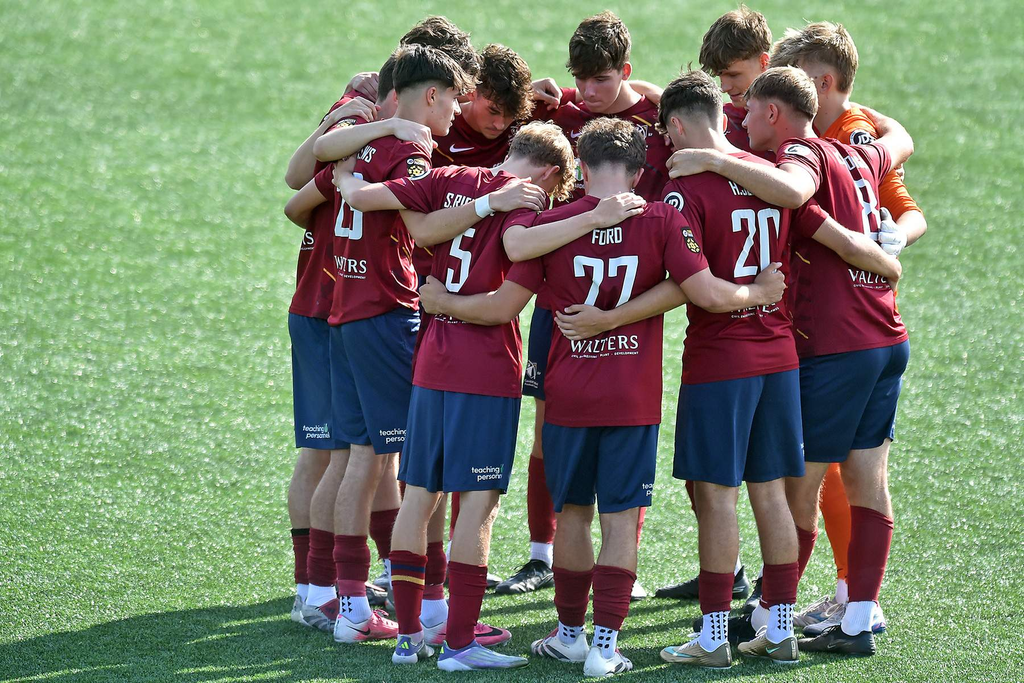
Cardiff Met FC announces newly established Board of Directors

Tomos Lewis appointed Chairperson of Cardiff Met FC’s Board of Directors.


Cardiff Met Football Club Ltd has confirmed the appointment of its newly established Board of Directors following a rigorous recruitment process.

The eleven-member Board comprises eight Non-Executive Directors, two University-appointed Directors and the Club’s Chairperson. Members bring significant experience across governance, elite sport, commercial strategy, finance, communications and performance.

The move forms part of a refreshed governance framework aligned to the Club’s Five-Year Development Plan and the Football Association of Wales’ strategic pillars.

Members include:

Chairperson

  • Tomos Lewis, Partner at a national law firm and former Welsh Gymnastics Non-Executive Director

Directors

  • Ben O’Connell, Director of Sport at Cardiff Metropolitan University
  • Professor Katie Thirlaway, Deputy Vice-Chancellor and Provost at Cardiff Metropolitan University

Non-Executive Directors

  • Dr Kerry Harris, Senior Lecturer and former Cardiff Met Women’s Football Club Performance Director
  • Ian Davis, commercial leader at Glamorgan Cricket and former FAW Chief Commercial Officer
  • Joanna King, HR leader at the Welsh Rugby Union
  • James Williams, Chief Executive of Welsh Athletics
  • Emma Smith, strategic communications specialist
  • Gwyn Derfel, former General Manager of the JD Cymru Premier
  • Adrian Coles, growth finance and board advisor
  • Russell Hullett, UEFA A Licensed coach and former Premier League academy leader

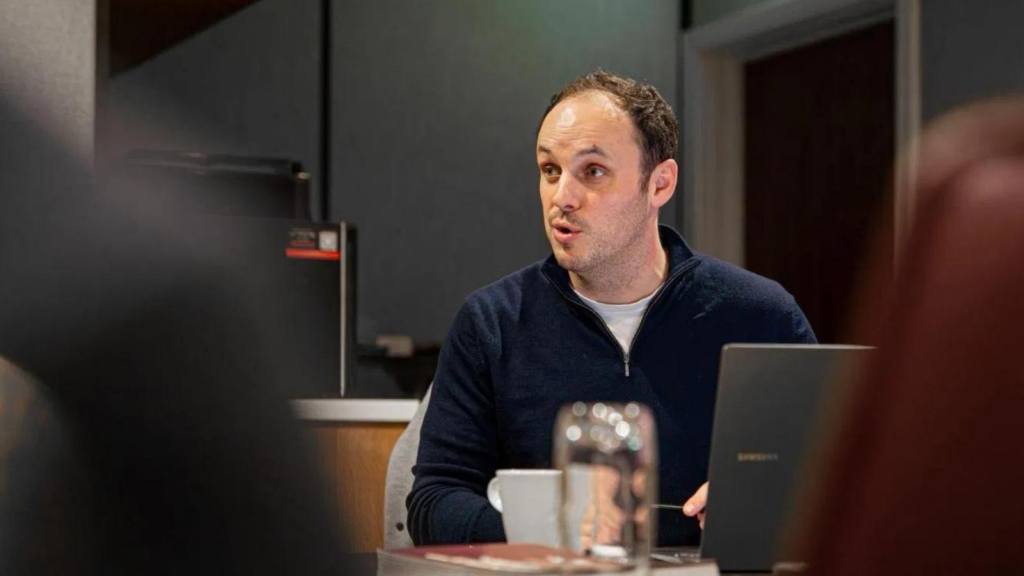
Commenting on the establishment of the new Board, Chairperson Tomos Lewis, said:

“The breadth of knowledge and experience across our Board will be instrumental in supporting the continued growth of Cardiff Met FC. The Club holds tremendous potential, and I am honoured to represent it at such a defining period for Welsh domestic football.”

Dr Chris Baker, Director of Football Systems at Cardiff Metropolitan University, added:

“The establishment of this Board represents a defining moment for Cardiff Met FC. Professionalising our structures and processes is central to unlocking the Club’s significant untapped potential.”

The Board convened for the first time last week in Cardiff and will work closely with Club leadership to advance commercial growth, community engagement, operational excellence and performance development.

Further information, including full Board biographies, is available via the Club’s website

Cardiff Met Research Highlights Power of Illustration in Improving Shared Decision Making in Healthcare

Researchers at Cardiff Metropolitan University are exploring how illustration can strengthen communication between healthcare professionals and patients, improving understanding and supporting more effective shared decision making (SDM).

Shared decision making is a collaborative process in which healthcare professionals and patients work together to make informed treatment decisions. The approach relies on clear communication and accessible information to ensure patients fully understand their options, risks and benefits.

Led by Amelia Huw Morgan, alongside colleagues from the University’s Health Sciences department, researchers have been investigating how illustration can play a crucial role in enhancing SDM. This project, supported by the Welsh Government, focused on co-producing visual information resources designed to support patient understanding in clinical settings.

As part of the initiative, Master’s students worked alongside patients and healthcare professionals in clinical settings to develop illustrated materials covering:

  • The correct administration of hydrocortisone injections (for reducing pain and inflammation)
  • Effective steroid management (for example to patients with asthma or eczema)
  • The risks and benefits associated with sodium valproate (used to treat epilepsy and bipolar disorder)

The co-produced resources were designed to be clear, accessible and patient-centred, ensuring that complex medical information could be more easily understood during consultations.

Findings from the project demonstrate that well-designed illustrations can significantly reduce misunderstandings between patients and healthcare professionals. By providing supportive visual materials, clinicians are better equipped to explain treatment options, while patients gain greater confidence in participating in decisions about their care.

Amelia Huw Morgan, Senior Lecturer of Illustration in the School of Art and Design at Cardiff Metropolitan University, said:

“Shared decision making depends on clarity, trust and mutual understanding. Our research shows that illustration can act as a powerful bridge in clinical conversations, helping patients grasp complex information and feel more confident about the decisions they are making.”

The research highlights the potential for interdisciplinary collaboration between health sciences and creative disciplines to improve patient outcomes and experiences, which is being explored further in a fully-funded PhD studentship. The team hopes the findings will inform future healthcare communication strategies across Wales and beyond.

Ramadan at Cardiff Met: faith, friendship and finding home

Ramadan has always been a time of reflection, discipline and spiritual growth for me. Observing it while studying at Cardiff Met has added new layers to what the month means in my life. Balancing lectures, deadlines, society commitments and social life while fasting from dawn to sunset has not always been easy, yet it has been one of the most grounding and fulfilling parts of my University experience.

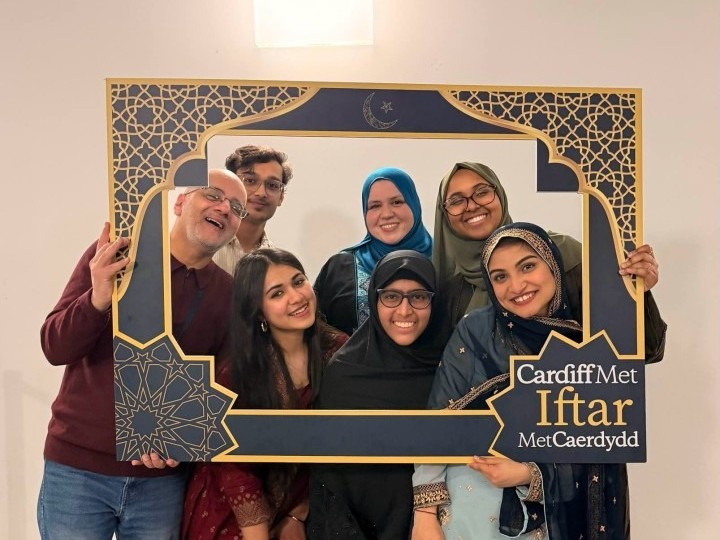
Ramadan at Cardiff Met has taught Muskaan (furthest right) resilience, gratitude, and the power of community

Spending three Ramadans at Cardiff Met has shaped my University journey in ways I never expected. Each year has looked different academically and personally.

My first Ramadan at University was an adjustment. Waking up for suhoor in student accommodation, quietly making breakfast while my flatmates slept, and heading into lectures without my usual caffeine fix felt surreal. What could have felt isolating instead became an opportunity to build new connections. The Islamic Society played a huge role in that transition. Through it, I met fellow Muslim students navigating the same balance of coursework, deadlines and fasting. There was comfort in that shared understanding.

What has made Ramadan truly special at Cardiff Met is the sense of community. Breaking fast alone can feel isolating, but being surrounded by other Muslim students transforms the experience entirely. Whether gathering for iftar on campus, praying together, or simply checking in on each other during long days, there is a shared understanding that creates an instant bond. Even friends who do not fast often show support in thoughtful ways, from adjusting group meeting times to asking genuine questions about what the month means. Those small gestures remind me that Ramadan is not just about abstaining from food and drink, but about strengthening character, patience and gratitude.

One of the most meaningful parts of Ramadan at Cardiff Met has been iftar on campus. Breaking fast together transforms an ordinary University evening into something deeply meaningful. Sitting in a circle, counting down the minutes to Maghrib, sharing dates and water, and praying side by side creates a sense of unity that is difficult to put into words; it is not just about the food, it is about collective gratitude.

Over the years, those iftar gatherings became something I genuinely looked forward to. They transformed campus into a space that felt like home. Even during busy academic periods, pausing at sunset reminded me that faith does not need to be separated from student life – it can be woven seamlessly into it.

Volunteering during Ramadan also became an important part of my journey. Whether helping organise iftar events, supporting Islamic Society initiatives, or contributing to charity efforts, giving back added another layer of meaning to the month. Ramadan emphasises compassion and service and practising that within the University community made the experience even more fulfilling. It shifted my focus from just personal reflection to collective impact.

By my third Ramadan at Cardiff Met, the experience felt different once again. I was no longer just adjusting; I was contributing. I understood the rhythm of balancing University responsibilities with spiritual commitments. I came to appreciate the early mornings, the quiet walks to campus, the shared exhaustion and the shared joy at sunset. Ramadan had become less about managing challenges and more about embracing growth.

Looking back, three Ramadans at Cardiff Met have been about far more than fasting. They have been about belonging, about meeting people who remind you of home while creating new memories together.

Ramadan at Cardiff Met has taught me resilience, gratitude and the power of community. And for that, I will always be thankful.

Muskaan Ali is a final-year student at Cardiff Met’s School of Management and the SU Activities & Communities President-elect for 2026/27. She is widely recognised within the University’s international student community, having served as an International Student Ambassador and SU International Student Officer.

New Cardiff Met Research Explores Essential Oils to Tackle Chronic Wound Infections

A research project at Cardiff Metropolitan University is investigating the potential of plant-derived essential oils as new treatments for chronic wound infections, a growing but often overlooked health challenge affecting more than 3.8 million people across the UK.

Chronic wound infections place a burden on patients and healthcare systems comparable to conditions such as diabetes and cardiovascular disease. But treatment options are becoming increasingly limited due to the rise of antimicrobial resistance; so with few new antibiotics in development, researchers are turning to nature for alternative solutions.

Dr Sarah Hooper, Reader in Microbiology and Infection at Cardiff Met, said: “For centuries, plant-based remedies have been used in traditional medicine to treat infection. Modern research has confirmed that many plants contain complex mixtures of bioactive compounds capable of antimicrobial and anti-inflammatory activity. Essential oils extracted from plants in the Lamiaceae family, such as thyme, oregano, basil, rosemary, and sage, have consistently shown strong activity against harmful bacteria in laboratory studies.”

Despite these promising results, essential oils are not currently used in clinical wound care. The obstacles include limited human data, inconsistent results in studies, safety concerns, and challenges associated with standardising extraction methods.

To address these challenges, the Cardiff Met team screened ten essential oils from the Lamiaceae family for their effectiveness against two common wound pathogens, Pseudomonas aeruginosa and Staphylococcus aureus. The study aimed to identify which chemical components were associated with the strongest antimicrobial effects and to determine whether the most effective oils could be successfully incorporated into a topical hydrogel suitable for wound application.

Dr Hooper said: “Our findings move essential oil research beyond traditional laboratory testing by linking detailed chemical composition with functional performance in a realistic wound model. Even oils that come from closely related plants can work very differently against bacteria. The effectiveness of an oil doesn’t just depend on its main ingredients, but also on tiny amounts of other compounds, how the oil is prepared, and how it’s applied or delivered. Our next step therefore is to grow plants in the lab in very precise conditions, so that we can hopefully develop a standardised oil that is sustainable to produce.”

“There are still a lot of challenges to overcome, but by linking detailed chemical testing with how these products perform, and by exploring improved ways to deliver them, we could develop new plant-based wound treatments that may help support healing and reduce dependence on traditional antibiotics.”

This project is part of a collaborative effort with Prof Chris Wallis, an expert in sustainable compounds of natural origin, and Matt Bates an expert in chemical analysis of plant oils.

Most roadless areas in Great Britain are smaller than 1km2

Britain’s landscape is highly fragmented by roads, with researchers from Cardiff University finding that more than 70% of the UK’s roadless areas are smaller than 1 km2.

The researchers say that more than 60% of roadless patches in the UK are smaller than the typical area many common UK mammals needs to survive, meaning species such as badgers and red foxes likely face a high risk of wildlife-vehicle collisions.

Dr Sarah Raymond, who completed the work during her PhD at Cardiff University School of Biosciences, said: “Roads cover 20% of land globally, fragmenting land into almost 600,000 patches.

“Because of this, roads have a wide range of impacts on wildlife, including reduced habitat connectivity and wildlife-vehicle collisions. Wildlife-vehicle collisions are estimated to cause millions of animal mortalities on roads every year and are a leading cause of population decline and biodiversity loss.”

The researchers extracted and mapped roads across Great Britain from OpenStreetMap, an open-access geographic database, to calculate roadless areas in Great Britain. Both areas covered by roads and ‘road effect zones’ – the areas around roads that experience ecological effects – were mapped. The roadless areas were defined as patches of land unaffected by roads, beyond the road effect zones.

The researchers found that the total number of roadless patches across Great Britain was 6,138 with a 1km road effect zone, 29,164 with a 500m road effect zone, and 93,561 with a 100m road effect zone. The majority (71-74%) of roadless patches were smaller than 1km² in size, and a small minority (0.002-0.014%) were greater than 100km2.

Roadless patches were significantly larger in Scotland than England and Wales, with Scotland having the greatest percentage of roadless area and larger individual patches, primarily coinciding with the Scottish Highlands and Cairngorms National Park. England had the largest number of individual patches, but the lowest overall percentage of land that is roadless.

The researchers found that 53% of all roadless areas were not covered by existing protected habitat designations, highlighting a need to increase protection of roadless areas and connectivity between them.

Dr Perkins, who runs Road Lab at Cardiff University, added: “Nearly half (47%) of roadless areas overlap with existing protected sites, but often only partially. Protecting and connecting roadless areas offers a practical route to expanding our protected area network while reducing wildlife‑vehicle collisions.”

The findings of the study emphasise the extent to which Great Britain is fragmented by roads and the extent of their effects.

“The European badger has a home range greater than the majority – 73% – of roadless patches, putting them at high risk of wildlife-vehicle collisions compared to other species with smaller home ranges,” added Dr Raymond.

Cardiff Met wins two national awards for student recruitment excellence

Cardiff Metropolitan University has been recognised nationally for excellence and creativity in student recruitment, scooping two prestigious awards at the 2026 HELOA Awards.

Cardiff Met won Best Practice in Student Recruitment for the University’s ‘Help! I’m Going to Uni’ podcast and Best Undergraduate Initiative for ‘Get Cardiff Met Ready’.

The HELOA Awards celebrate outstanding work across UK universities in student recruitment, outreach and access, and are voted for by peers from other higher education institutions.

These latest successes come hot on the heels of Cardiff Met’s silver award for Best Use of Content at the Heist Awards for ‘Help! I’m Going to Uni’.

Cardiff Met’s ‘Help! I’m Going to Uni’ podcast uses innovative ways of supporting prospective students and tackles the real anxieties of starting university with honesty, humour and authenticity.

Featuring diverse student voices, the podcast has become a standout tool for the University to connect with applicants and has been woven into Cardiff Met’s campaigns, live events and prospectus content.

The ‘Get Cardiff Met Ready’ pre-enrolment event recognises its impact on helping new students feel confident, connected and prepared to begin university life.

Held on campus before enrolment, the event offers practical sessions, student-led talks and interactive activities to ease anxieties and build belonging. Over 880 students attended in 2025, a 14% increase on the previous year, and 94% said they felt more prepared to start their studies.

Rebecca Lever, Chief Marketing, Communications and Student Recruitment Officer at Cardiff Metropolitan University said: “Both initiatives show our creative thinking and commitment to continuous improvement.

“These latest wins highlight Cardiff Met’s commitment to innovation, collaboration and putting students at the heart of everything we do. Well done and thank you to everyone involved.”

‘Help! I’m Going to Uni’ is available for streaming on major platforms, including YouTubeSpotify and Apple Podcasts.

Aston University researchers part of team that breaks data transmission record – again

  • Aston University researchers send data at 430 terabits a second (Tb/s) over standard telecom fibre
  • Researchers from the Aston Institute of Photonic Technologies  are part of an international team based in Japan
  • In their latest demonstration the team broke their own earlier record using nearly 20% less overall bandwidth. 
     

Aston University researchers are part of the team that sent data over the internet at the world record rate of 430 terabits a second (Tb/s) over standard telecom fibre. A basic home connection is just10 megabits per second.

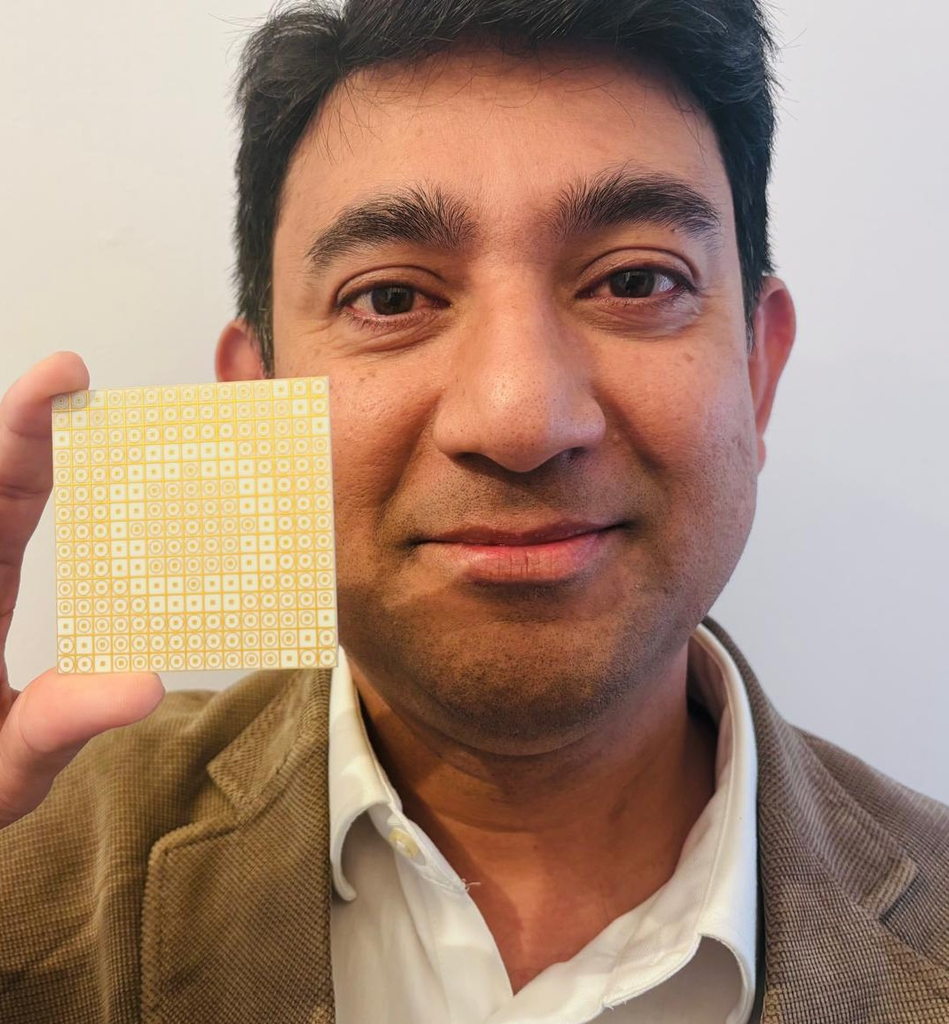
Dr Aleksandr Donodin and Professor Sergei Turitsyn from the Aston Institute of Photonic Technologies (AIPT) are part of an international team, led by Japan’s National Institute of Information and Communications Technology (NICT). AIPT researchers were also part of the team holding the previous world record of data transmission of standard fibre at 402 Tb/s.

In their latest demonstration the team led by NICT broke their own record using nearly 20% less overall bandwidth, resulting in a simpler system design proving that the existing infrastructure can be further improved without costly upgrades.

The new method is based on standard optical fibre technology that is widely installed in commercial fibre networks. In over five billion kilometres of fibre-optic cable deployed around the globe the lion’s share is based on single-mode fibre. The technique has the potential to be applied where standard telecom fibre is already installed. This would include urban area networks and data centres interconnects (the technology used to connect two or more data centres to share data and resources) where high-capacity connections are increasingly in demand. 

The technique can offer more capacity without deployment of new fibre or much wider spectral bandwidth. In addition, it could be cheaper and more efficient as cables that are already in the ground could be used, rather than digging up streets to install new ones and upgrades could happen faster.

Dr. Donodin said: “New technology can offer more capacity without needing new fibre. It extends the capacity of standard-compliant cutoff-shifted optical fibres well beyond the original design. Wavelengths below the cutoff point allow us to transmit data separately in different modes, which leads to significant increase of spectral efficiency. In this work we performed 3-mode transmission in the O-band while transmitting data in the fundamental mode in ESCL-bands.

“Compared to our earlier 402 Tb/s work, this new approach shows that we don’t always need more and more spectrum to increase capacity – we can improve how efficiently we use it.”

New, data-driven internet services, including AI, have driven a surge in demand for optical fibre transmission bandwidth. NICT is to continue its research and aims to extend the transmission range of wideband, ultra-high-capacity systems and their compatibility for fibres already in use.

Their findings were reported as a post deadline paper at the 51st European Conference on Optical Communication (ECOC) 2025 in Denmark on 2 October and was partly supported by the Japan-Germany Beyond 5G/6G collaboration initiative.

The twelve international collaborators are NICT (Japan), Aston University (UK), Fraunhofer Heinrich-Hertz-Institut (Germany), Eindhoven University of Technology (Netherlands), Politecnico di Milano and University of L’Aquila (Italy), University of Campinas (Brazil), University of Stuttgart (Germany), Sumitomo Electric Industries Ltd. (Japan), Macquarie University and Modular Photonics (Australia) and Nokia Bell Labs (USA).

Aston University research in this area is supported by the EPSRC Programme grant TRANSNET, Dr Donodin has been supported by Department for Science, Innovation and Technology and the Royal Academy of Engineering under the research fellowships.

Aston University co-written paper sets out best practice for healthcare professionals in patient observation and dignified care

  • Aston University’s Samantha Chapman has co-written a paper for the Royal College of Nursing on enhanced therapeutic observations
  • Enhanced therapeutic observations are a temporary measure used only when necessary for a patient, but come with challenges
  • The paper supports healthcare workers to provide dignified, respectful care and improve patient experience and recovery.

Samantha Chapman, a teaching fellow in mental health nursing at Aston University, has co-written a continuing professional development article setting out best practice on enhanced therapeutic observations for healthcare professionals.

Enhanced therapeutic observations (ETOC) are used in nursing when a patient requires closer observation for their health and wellbeing. There are different levels of ETOC, for example, constant observation of a patient within eyesight, or constant observation within arm’s length, as well as intermittent observations such as every 15 minutes. It is only a temporary measure used when absolutely necessary, but can present challenges, so it needs to be delivered with compassion, always ensuring dignity and respectful care.

Chapman co-wrote the article, Role of enhanced therapeutic observations and care in maintaining the well-being and safety of mental health inpatients, with lead author Helen Rees, professional lead nurse educator at Priory, the UK’s largest independent healthcare provider. It has been published as a continuing professional development (CPD) article by the Royal College of Nursing and is designed to support nurses, nursing associates and healthcare support workers.

One of the biggest challenges is the amount of time healthcare staff and the patient will spend together during periods of ETOC. The article looks at how this longer period of contact can be delivered in a therapeutic and meaningful way to support the patient in their recovery, avoiding relationship burnout.

Chapman and Rees were concerned that there was very little in the literature about ETOC, and that the type of observation goes by many different names. In writing the article, they have sought to unify the published knowledge and provide evidence-based information to share with nurses, nursing associates and healthcare support workers, as well as students on healthcare courses.

Chapman said:

“More research is needed in this area to explore how enhanced therapeutic observations can and should be delivered to be recovery focused and a supportive intervention for the patient. They should not be a tick box exercise, and they do require a lot of emotional intelligence and therapeutic skill on behalf of the healthcare staff delivering the care.

“It is hoped that this article enables these important discussions to be expanded, to encourage others to think about how these observations are delivered ensuring the patient is at the centre of care provided.”