Archives for DTHomes

New research on long-COVID offers hope for patients living with condition

A new clinical study from Cardiff Metropolitan University – in collaboration with Cwm Taf Morgannwg University Health Board (CTM UHB) – has highlighted new biomedical insights into long-COVID and could take existing studies one step closer to finding treatment for patients living with the condition.
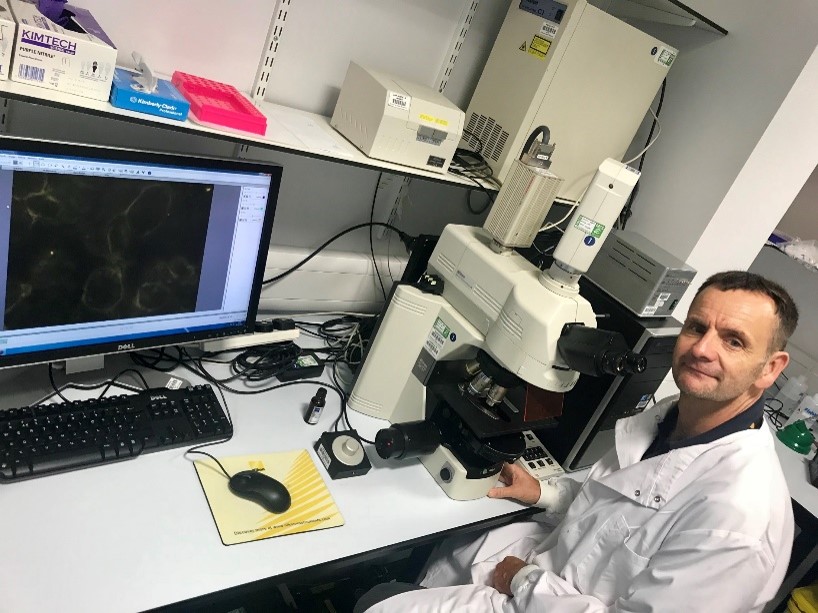
Long COVID is a new condition which can affect people who have previously had the COVID-19 virus. Symptoms can include heart disease, muscle and joint pain, extreme tiredness, coughing, shortness of breath and memory difficulties.

The ‘Seasonal variation in the associations between self-reported long-COVID symptoms and IL-6 signaling-related factors’ clinical study from Cardiff Met and CTM UHB included DNA and blood samples taken from 175 participants who had previously had the COVID-19 infection. The bloods taken measured levels of two proteins, ‘Interleukin-6 (IL-6)’ and ‘Interleukin-6 Receptor (IL-6R)’, while the DNA sample was used to detect which variant of IL-6R gene, known as ‘IL-6R genotype’, was present.

IL-6 and IL-6R are made by the immune system to fight infection. IL-6R is the receptor that IL-6 attaches to – like a key fitting into a lock. This connection allows IL-6 to send signals that trigger an immune response.

Craig Greenstock, 63, from Pontypridd took part in the study and was first admitted to hospital in December 2020 at the height of the pandemic after being diagnosed with COVID Pneumonitis. He was previously fit and healthy.

Craig went on to spend the next nine weeks in hospital, initially placed on a ventilator within the intensive care unit at CTM UHB before being moved to various wards.

He has since been diagnosed with long COVID and suffers with bouts of fatigue, breathlessness, brain fog, PTSD, night terrors and is being treated with three daily pumps for asthma related symptoms. A nodule was also discovered on Craig’s lung following the infection.

Craig said: “I can safely say that when I was first admitted to hospital and what then developed was the scariest time of my life, both physically and mentally.

“I was extremely unwell for some time, with my family being given 24 hours for my condition to improve. My symptoms following the virus have been so significant it has resulted in me having to retire from work.”

Participants were also asked to complete a questionnaire sharing their current long COVID symptoms at different times throughout the year to see if the change in seasons affected the condition, and to help get an accurate diagnosis.

The purpose of the study – which was funded through The Cwm Taf Morgannwg University Health Board Collaborative Research Fund – was to better understand how these IL-6-related factors contribute to the risk of long COVID and possibly initiate future strategies for using them as biomarkers predictive of risk.

The results from the participants tested highlighted that long COVID sufferers had elevated levels of IL-6 compared to those who had regained full health. The results also showed the risk of getting long COVID appeared to be increased in patients with a particular type of IL-6R genotype, known as the ‘AA’ genotype.

Dr Richard Webb, a Principal Lecturer in Biomedical Sciences in the Centre for Cardiovascular Research, Innovation and Development (CURIAD) at Cardiff Metropolitan University is leading on the study. He said: “While interpretation is complicated by seasonal variations, the findings from the study point towards possible future use of IL-6 and IL-6R genotype as biomarkers predictive of long COVID risk, which may bring advantages regarding the management and treatment of the illness.”

Dr Ceri Lynch is a Consultant in Anaesthetics and Intensive Care Medicine and Critical Care Research Lead at Cwm Taf Morgannwg University Health Board and has worked alongside Cardiff Met on the long COVID symptoms study.

Dr Lynch said: “This collaborative research between Cwm Taf Morgannwg and Cardiff Metropolitan University has shown some interesting and exciting findings with regard to the risk factors for developing long Covid. We would like to continue this work, with the ultimate aim of identifying an effective drug treatment for the condition.”

Craig added: “I was very fortunate to have a positive attitude to life and fairly healthy, so strong enough, physically and mentally, to be able to fight the virus and ongoing recovery.

“I would be prepared to try any medicine that could improve my standard of life back to anywhere near where it was before I fell ill.”

The team of researchers from Cardiff Met and CTM UHB will now look at how the findings from this study can be integrated into and support The Post-hospitalisation COVID-19 study (PHOSP-COVID) – which includes leading researchers and clinicians from across the UK working together to understand and improve long-term health outcomes for patients who have been in hospital with confirmed or suspected COVID-19.

The full clinical study is published in ScienceDirect: ‘Seasonal variation in the associations between self-reported long-COVID symptoms and IL-6 signalling-related factors (particularly the rs2228145 variant of the IL-6R gene)

Cardiff Met’s Pro Vice-Chancellor for Research & Innovation appointed chair of REF 2029 Sub-Panel for Sport and Exercise Sciences, Leisure, and Tourism

Oplus_16908288

Professor Sheldon Hanton, Cardiff Metropolitan University’s Pro Vice Chancellor of Research and Innovation, has been appointed Chair of the Sport and Exercise Sciences, Leisure and Tourism Sub-Panel for the Research Excellence Framework (REF) 2029.

The REF is the UK’s national system for assessing the quality of research in higher education institutions. It informs the allocation of public research funding and ensures accountability for public investment.

The appointment, confirmed by the four UK higher education funding bodies in collaboration with the REF main panel chairs and advisory panel members, places Professor Hanton among the senior academic leaders responsible for guiding the UK’s national assessment of research quality.

As Chair, Professor Hanton will lead the sub-panel through the criteria setting phase, starting later this year, and oversee the unit’s work through to the final assessment of research submissions in 2029. He will play a key role in shaping how research within his field is evaluated across UK higher education institutions.

Reflecting on his appointment, Professor Hanton said: “I am delighted and honoured to be appointed as Chair of the Sport and Exercise Sciences, Leisure and Tourism Sub-Panel for the Research Excellence Framework 2029. The exercise is a vital and substantial component of our research landscape, and I very much look forward to working closely with colleagues to showcase the outstanding research in the discipline.”

The Pro Vice-Chancellor’s appointment is part of a broader announcement confirming the chairs and deputy chairs for all 34 expert REF sub-panels. These individuals will lead their respective panels through development and assessment phases, ensuring a process that is fair, robust and reflective of the breadth of research excellence in the UK.

While the majority of sub-panel chairs and sub-chairs have been confirmed, REF is now working to appoint their full panels, ensuring that membership reflects the full range of required expertise. These appointments will be announced in summer 2025.

REF Director Rebecca Fairbairn said: “I’m delighted to welcome this outstanding group to lead the REF 2029 sub-panels. Their deep expertise and broad perspectives will be central to building an assessment process that is fair, rigorous, and trusted by the research community.”

The full list of appointed sub-panel chairs and deputy chairs can be found via the Panels page on the REF website.

Cardiff Met Football Club awarded Category A and FAW Girls Academi status

Cardiff Metropolitan University Football Club Academy has been granted Category A Academy status and the Football Association of Wales (FAW) Girls Academi status for the 2025-26 season, recognising the team’s outstanding quality and commitment to developing young female footballers in Wales.

This is the first time Cardiff Met has been granted FAW Girls Academi status, which will allow the football club to drive participation locally through better experiences and access, while providing more professional opportunities and removing barriers to progression.

Chris Baker, Director of Football at Cardiff Met said, “Securing both Category A and FAW Girls Academi status is a fantastic achievement and testament to the dedication and expertise of our staff who support the development of young players year after year. We are looking forward to continuing to build a high-quality programme for some of the best young footballers in Wales, while our new FAW Girls Academi status opens exciting opportunities to grow the girls’ game locally.

“Both statuses mean we can provide better experiences, greater access, and a more professional environment that helps remove barriers and support players on their journey. We’re proud to align this progress with Cardiff Metropolitan University’s ambition to be Wales’ sporting university, and we look forward to working closely with the FAW to raise standards and strengthen domestic football across both the boys’ and girls’ pathways.”

This is also the second year running Cardiff Met has received the Category A Academy status which will allow the football academy to continue to develop and grow its offering to some of the best young footballers in Wales.

Jack Lyons, Academy Manager at Cardiff Met, said: “A huge thank you to the FAW, especially Drew Sherman and Brad Flay, for their continued support, and to Amethyst for helping raise standards across the Welsh game. With our Under 12s recently crowned National Champions, we’re excited to build on that success and keep pushing the academy forward — creating the best possible environment for young players to develop and thrive.”

As the club turns its attention to the 2025-26 season, trial dates for the Archers Girls’ Academi will be announced soon.

Top tips to fuel the brain and body during exam season

With exam season now underway, Aisling Pigott, Senior Lecturer on Cardiff Metropolitan University’s Human Nutrition & Dietetics BSc (Hons) Degree, shares some top tips for young people on the right foods to eat to fuel our brains and body during this busy period…

Aisling said: “Exams are more than just mentally demanding, they are physically exhausting. While we often talk about the stress and emotional pressure of exam season, we rarely mention the energy demands on the body, especially the brain.

“Your brain’s primary fuel is glucose (yes, sugar!), but that doesn’t mean eating lots of sweets and biscuits. High sugar snacks give a quick energy availability, but this is not sustained for steady focus. What really helps is keeping energy availability stable with balanced meals and snacks, while looking after your body during this intense period.”

Top tips:

Step Away and Eat Properly

Move away from your desk to eat regular, balanced meals. Giving the body space to digest can ease exam-related digestive discomfort and reminds you that nourishing the body is important!

Don’t Under-Fuel

Exam time is not the moment for skipping meals or restricting energy. The brain needs plenty of fuel to support concentration, memory, and learning.

Go for Wholegrains

Wholegrain bread, pasta, and rice provide slow-release energy thanks to their fibre content, helping keep energy steady through long study sessions.

Hit Your 5-a-Day

Fruit and vegetables aren’t just good for general health. Their fibre helps manage glucose availability, while their vitamins and minerals support immunity — reducing the risk of exam-season bugs.

Protein at Every Meal

Protein helps keep you fuller for longer and supports stable energy production. Think eggs, yoghurt, nuts, seeds, fish, meat, or plant proteins like lentils and beans.

Don’t Forget Vitamin D

A daily 10 microgram (10µg) vitamin D supplement is recommended in the UK during winter or for anyone spending long periods indoors (i.e. those spending time indoors studying) to promote bone health and support immunity.

What About Omega-3?

While omega-3 supplements haven’t been shown to boost exam performance, eating oily fish like salmon, sardines, or mackerel is great for heart health — and may have long-term brain benefits too.

Excellence Celebrated at the NTU Apprenticeship Awards

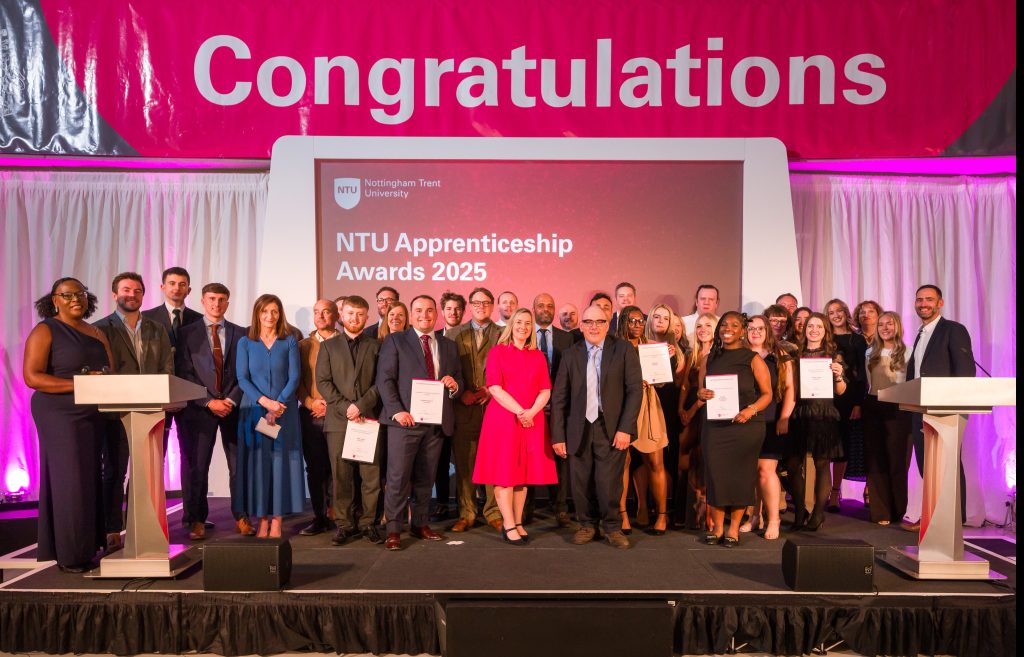
The annual NTU Apprenticeship Awards took place on 8 May 2025, with over 135 guests attending the ceremony to celebrate the outstanding achievements of NTU apprentices, employers and mentors.

Last week, NTU hosted our annual Apprenticeship Awards which seeks to highlight and celebrate the excellent work and achievements of apprentices studying at NTU.

As well as apprentices, the awards shine a light on both employers and mentors, without whom an apprenticeship wouldn’t be possible.

This year’s awards saw the highest amount of nominations since the awards started in 2019, with the quality of submissions being at an all-time high also.

Over the duration of the awards ceremony, seven apprentice awards are given out, including the prestigious NTU Apprentice of the Year award, as well as six employer awards.

David Drury, Degree Apprenticeship Manager, Employer Engagement commented. “this year’s NTU Apprenticeship Awards has been the most competitive awards with the highest number of nominations we’ve ever received. All the finalists should be incredibly proud of themselves and all they’ve achieved.

The awards opened to submissions in October 2024 and are anonymously reviewed and scored by an external judging panel who shortlisted the finalists.

The finalists were then announced in February 2025 during National Apprenticeship Week, the judges then score the finalists’ nominations again to determine the winners, who were announced at last week’s ceremony.

Apprentice Award Winners

First Year Apprentice of the Year

Winner: Jacob Henry, Nottingham University Hospitals NHS Foundation Trust

Outstanding Apprentice of the Year – Construction & Engineering

Winner: George Hodgson, Derry Building Services

Outstanding Apprentice of the Year – Financial, Legal & Business Services

Winner: Joshua Georgiou, E.ON

Outstanding Apprentice of the Year – Food, Manufacturing & Service Industries

Winner: Jenny Rose, Boots

Outstanding Apprentice of the Year – Health, Education & Care

Winner: Natalie Selby-Shaw, NTU

Outstanding Apprentice of the Year – Public Services

Winner: Konstantinos Karagounis, NTU

Employer Award Winners

Apprentice Mentor of the Year

Winner: Anup Pancholi, Experian

Equality & Diversity Award

Winner: Experian

Apprentice Employer of the Year (Small enterprise, 1-49 employees)

Winner: Hope Architects

Apprentice Employer of the Year (Medium enterprise, 50-249 employees)

Winner: Landermeads

Apprentice Employer of the Year (Large enterprise, 250 employees)

Winner: E.ON

NTU Apprentice of the Year 2025

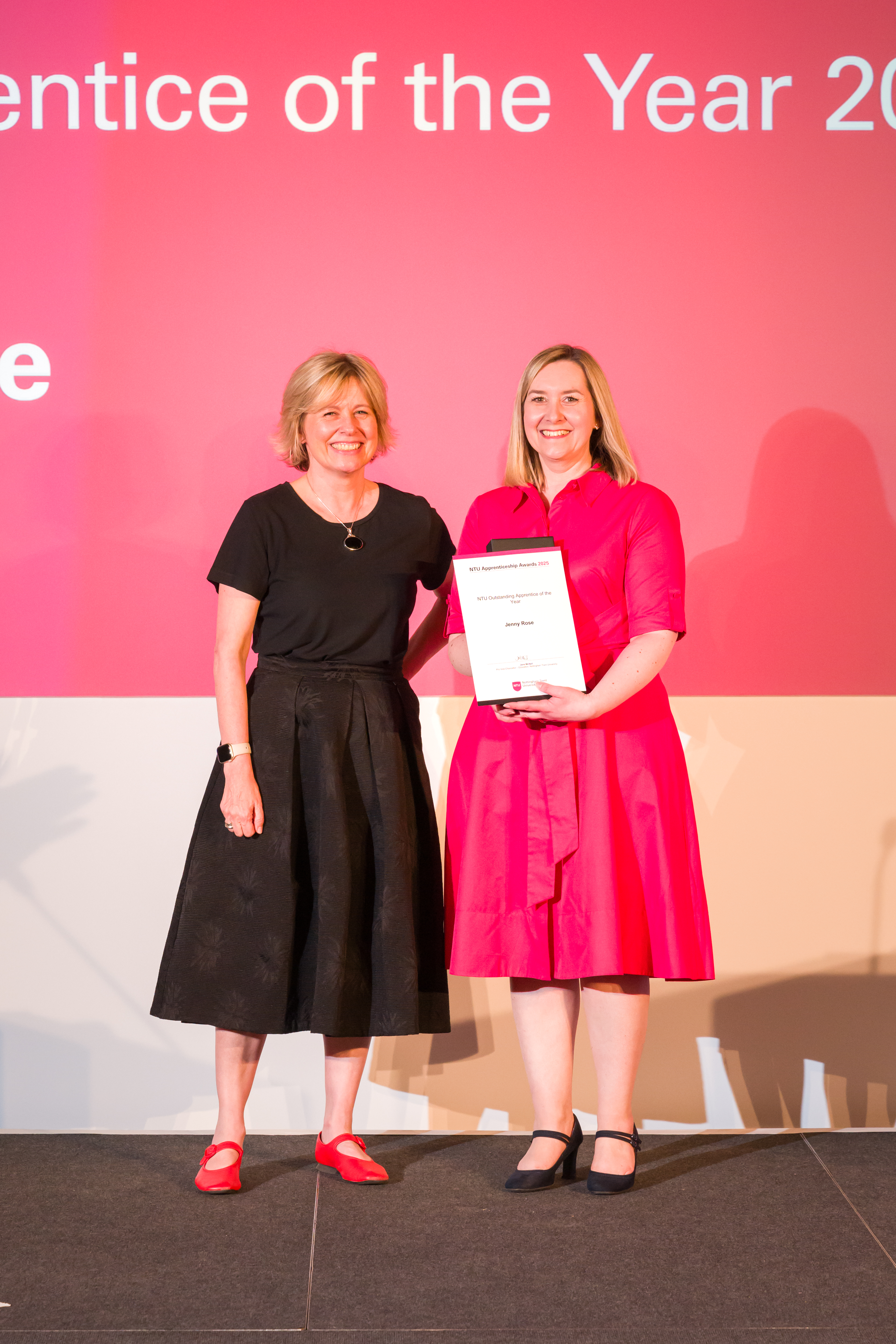
NTU Apprentice of the Year 2025, Jenny Rose

Jane McNeil, Pro Vice-Chancellor for Education [left] and NTU Apprentice of the Year 2025, Jenny Rose

The winners of the Outstanding Apprentice of the Year categories are automatically entered into the NTU Apprentice of the Year category.

The judges unanimously considered Jenny Rose, a Level 7 Senior Leader Apprentice working at Boots, to be NTU’s Apprentice of the Year 2025.

In their deliberation, the judges found Jenny to be “an exceptional apprentice, achieving one of the highest academic profiles ever seen on their programme while making a significant impact at their employer. A supportive peer, inspirational role model, and influential leader, Jenny exemplifies the transformative power of apprenticeships at the highest level.

The Judging Panel

We would like to thank our judging panel who work hard to read, review and score every single application made.

  • Anne Wright, Managing Director, Workpays
  • Louise Cairns, CEO, The National Skills Academy for Food & Drink
  • Lucy Grierson, Partnerships, Projects and Communications Manager, NHS Charities Together
  • Nick Ebbs, Chair of the Nottingham Growth Board
  • Penny Guard, Learning & Development Manager, Nottingham Alliance Training Hub
  • Simeon Powell, Executive Coach, Babington

Cardiff Met’s PDR celebrates double win at 2025 iF Design Awards

Cardiff Metropolitan University’s design and innovation research institution, PDR, is celebrating a landmark achievement, having won two prestigious accolades at the 2025 iF Design Awards – one of the most internationally recognised honours in the design world.

This year’s winners are Tidal – Personal Prosthetic Design Service in the service design category, and Me. – Personalised Monitoring Device in the product concept category.

Tidal represents a collaborative project with Swansea Bay University Health Board, focused on transforming how assistive technology is delivered. The service places users at the heart of the design process, supporting device co-creation alongside healthcare professionals to improve user satisfaction. By involving both the end-user and healthcare professionals in device co-creation, Tidal enhances satisfaction and reduces premature abandonment of prosthetics – an issue affecting thousands of patients globally.

Me. is a pioneering personalised monitoring system designed to support women experiencing menopausal symptoms. Through real-time hormonal monitoring, the device enables users to better understand and manage their health. This targeted approach not only improves self-care but also informs more accurate treatment decisions, addressing a critical gap in female healthcare.

Jarred Evans, Director at PDR, shared his excitement at adding another two iF Design Awards to the institute’s impressive roster of awards: “I’m absolutely buzzing that PDR has bagged another two iF Awards! It’s always an honour, but this year feels extra special – one of the awards shines a light on much-needed innovation in overlooked areas of female health. Plus, we finally landed our first iF Design Award in the service design category for Tidal, which spun out of our researcrh and some solid teamwork with our NHS partners. Not to brag, but 90 plus major design awards now for what is effectively a small but highly talented and professional team – we are doing something right!”

The iF Design Awards continue to be one of the most sought-after recognitions in the field, with thousands of entries from around the globe judged by an international panel of independent experts. The accolades reinforce PDR’s status as a global leader in applied design research, having proved itself as the country’s best and consistently named among the top 25 design studios globally since its founding in 1994.

European cities struggling to turn climate change planning into action

European cities are not prepared to effectively address climate change risks, according to a new study which found that nearly 70% of their climate adaptation plans contain significant inconsistencies.

The research, published in the journal Nature Climate Change, identifies an ‘adaptation gap’ which suggests that European cities are struggling to turn climate planning into meaningful action.

A team of international experts, including Associate Professor Peter Eckersley from Nottingham Business School, part of Nottingham Trent University, analysed 167 local climate adaptation plans from the 27 EU member states plus the UK to see how well they addressed five key areas.

These included how well the plans matched local climate risks with their goals, whether the risks facing different sectors were addressed with the right actions, and how much they considered the needs of vulnerable groups. The study also explored whether these groups were included in monitoring and evaluation, and if they had a say in the planning process.

While half of the plans (52%) fully align environmental risks with corresponding actions, the remaining 48% identify risks but do not follow up with respective measures.

Findings also show that 49% of sector-specific measures, particularly greening and water-related measures, are implemented without any prior risk evaluation of the local context.

Just 1% effectively engaged vulnerable communities, such as the elderly, low-income, and ethnic minorities – signalling a widespread failure to integrate social equity into climate strategies.

Overlooking vulnerable groups was most notable among newer plans from Eastern European cities, whereas older plans in Northern Europe and the UK demonstrated weak alignment between climate risks and goals.

Associate Professor and lead author, Diana Reckien, University of Twente, said: “Cities often tick the boxes for having adaptation plans, but when you look closely, many plans are misaligned or incomplete, especially when it comes to protecting vulnerable populations and goals. This lack of consistency not only limits adaptation effectiveness but increases the risk of maladaptation, where actions may unintentionally worsen vulnerabilities or waste resources.”

Dr Peter Eckersley, Associate Professor in Public Policy and Management at Nottingham Business School – a triple crown accredited business school and United Nations Principles of Responsible Management Education (PRME) Champion – co-authored the paper.

He said: “Europe is warming twice as fast as the rest of the world, and 75% of the continent’s population live in cities where they are facing mounting climate risks such as flooding and wildfires.

“Having a plan is not enough, it must go beyond paperwork. Without coherence, inclusion, and evidence-based strategies, the ‘adaptation gap’ will widen, because cities’ intentions won’t translate into impact and our most vulnerable communities will be left behind.

“We urge policymakers to improve the consistency of adaptation plans by making sure that risk assessments guide all planned actions, clearly addressing social vulnerabilities, and setting up open and transparent processes for participation and monitoring.”

This research is part of the EURO-LCP Initiative which offers a new standard for evaluating climate plans and has created useful tools to help close the gap in climate adaptation, supporting cities in creating more resilient and fairer futures. Resources can be accessed online.

Employee engagement on the rise but workforce inequalities persist, warns national survey

A national survey of more than 4,000 UK workers has revealed that while employee engagement has seen its first rise since the pandemic – climbing 3% to an average of 65% – inequalities continue to divide the workforce.

The annual Engage for Success survey, run in partnership with Nottingham Business School, part of Nottingham Trent University, directly questioned a diverse and representative sample of employees across all sectors, industries, organisational sizes, and regions of the UK.

Using resources and expertise from Stillae Ltd and the Involvement and Participation Association, it explored current emerging issues influencing engagement – including organisational practices, hybrid working, health and wellbeing, bullying and harassment, and leadership.

Despite the rise for the first time in three years – since the survey began – engagement remains below pre-pandemic levels, and findings reveal a stark divide between UK organisations which prioritise their people, and those which do not.

Two in five employees work in organisations that actively embed people-focused issues into decision-making. With engagement levels of 77%, they reported more positive attitudes toward work, including a willingness to ‘go the extra mile’, support colleagues, and drive performance.

Employees with higher engagement are far less likely to see their job as simply a way to earn a money. Instead, they experience a sense of purpose and fulfilment in their work, which positively contributes to their overall wellbeing.

In contrast, another two in five employees feel that people issues are overlooked in their organisation, where engagement drops sharply to 45%, unmanageable job stress is five times higher, and levels of presenteeism and intention to leave are significantly increased.

The survey also revealed that employees with long-term health conditions, neurodivergence, or protected characteristics report 20% lower engagement, higher stress, and a greater intention to leave. Many don’t disclose their condition due to fear of discrimination, and over a third who do receive no adjustments. However, with proper support, their engagement matches that of other employees – highlighting the power of inclusive practices.

Results also highlighted the crucial role that managers play in shaping employee engagement and workplace experience. When both senior leaders and line managers prioritise people issues, engagement rises significantly, creating more positive attitudes and healthier work environments.

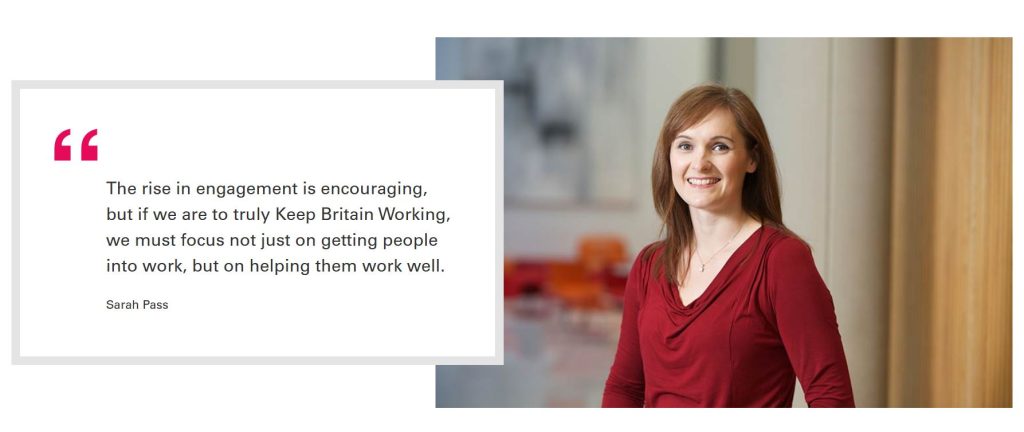
Report author, Dr Sarah Pass, Senior Lecturer in Human Resources Management at NBS and Engage for Success Advisory Board member, said: “Line managers are key to translating organisational goals into daily practice, supporting individual performance, development, and inclusion, particularly for employees with health conditions or neurodivergence. They are the people who turn employee feedback into action.

“To lead effectively, managers need proper training and time to support their teams, and those who receive this preparation report higher engagement and greater confidence in their role.

“The rise in engagement is encouraging, but if we are to truly Keep Britain Working, we must focus not just on getting people into work, but on helping them work well. Disengagement – driven by unmanageable stress, presenteeism, and poor workplace culture – risks worsening health outcomes and pushing more people out of the workforce.

“To change this, we need to embed engagement, inclusion, and wellbeing at the heart of employment strategies, from government policy to organisational leadership and everyday practice. Engaged people are the foundation of resilient workplaces, stronger organisations, and a more productive economy.”

Nita Clarke, Director of the Involvement and Participation Association and co-founder of Engage for Success, said: “This survey has a strong message about how important effective employee engagement is to attracting people into work and keeping them there. Government needs to ensure this message underpins the industrial strategy so we can achieve permanent improvements at organisation level in productivity as well as employee wellbeing.”

David MacLeod OBE, Co-Founder of Engage for Success, added: “It is clear that if individual organisations and the UK overall are to grow, then we need to give higher priority to the people issues which result in increased levels of employee engagement and therefore better organisational outcomes. There is a huge opportunity, and need, to harness the rich diversity in our workplaces so that everyone can work to their full potential.”

Nottingham Business School is triple crown accredited by EQUIS, AACSB, and AMBA and has recently been reaccredited by the Small Business Charter for five years, succeeding in all 30 dimensions of assessment, showcasing its exemplary support and development for SMEs.

Its Centre for People, Work and Organizational Practice conducts research on human resource management, innovation and performance to address business and policy imperatives through the effective formulation and deployment of human and knowledge capital.

Read the full report on the NTU website.

Future of creative talent to be unveiled at major art and design showcase

A celebration of emerging creative talent — with a rich tradition of showcasing award-winning student work — is set to open at Nottingham Trent University (NTU) for its annual art and design showcase.

Graduate Festival 25 by the Nottingham School of Art & Design, and the Student Showcase from the School of Architecture, Design and the Built Environment, will both open at NTU’s City Campus and a range of external venues in Nottingham.

The exhibitions – which are free to the public – span a wide spectrum of creative disciplines, including fashion, knitwear and textile design; fashion marketing and communication; fine art, photography, film and animation; graphic design and illustration; stage and screen design; product and furniture design; as well as architecture, interior architecture and architectural technology.

NTU students will also present their work at leading national events in London, including Graduate Fashion Week – the world’s largest showcase of new fashion talent – and New Designers, where disciplines such as product design, textiles, illustration, and animation will be represented. Graphic design students will also feature at D&AD New Blood, celebrating the brightest new talent in visual communication.

The university continues to partner with Nottingham’s vibrant creative community, with exhibitions and installations hosted in collaboration with local venues such as Nottingham Contemporary, Nottingham Playhouse, Backlit, Surface Gallery and the Carousel, expanding the festival’s citywide presence.

The Graduate Festival 25 begins today (12 May) with Filmmaking and Design for Film and Television student work going on show at the new Design & Digital Arts (D&DA) building. This is then followed by a range of other exhibitions, with full details available via ntu.ac.uk/gradfest.

The Student Showcase begins on 30 May with a public exhibition of product design, furniture design and architecture in the Newton building. Full details are available via ntu.ac.uk/c/adbe-student-showcase.

Michael Marsden, Executive Dean of the Nottingham School of Art & Design, said: “Creativity and design shape our surrounding physical and cultural environments, and the Graduate Festival 25 is an opportunity for the public to get a glimpse of the future.

“These shows represent not only the end of our students’ academic journeys, but the start of their bold and exciting creative careers. We invite the public to engage with our students’ work, hear their stories, and experience what the future of design will look like.”

Dr Andrew Knight, Executive Dean of the School of Architecture, Design and the Built Environment, said: “The annual showcase is always a proud moment for NTU, as it highlights the ingenuity and commitment of our students who apply creative thinking to real-world design challenges.

“These exhibitions offer the chance to see not only fantastically executed designs and prototypes, but also the deep research and problem-solving that goes into every concept. We look forward to welcoming members of the public to see them.”

Exhibitions vary by course area and dates. For full details – and to book for ticketed events – visit: www.ntu.ac.uk/gradfest and ntu.ac.uk/c/adbe-student-showcase

Cardiff Met researcher announced as Health and Care Research Wales’ Senior Research Leader

A professor from Cardiff Metropolitan University has been appointed as one of Health and Care Research Wales’ Senior Research Leaders, providing leadership and acting as an ambassador and advocate for health and care research in Wales over the next three years.

Yvonne Wren is a Professor of Speech and Language Therapy at Cardiff Met and has been appointed alongside 20 individuals from academia and the NHS, all of whom demonstrate research leadership, excellence and impact both in Wales and internationally. Over the next three years they will play a vital role in developing the health and care research community in Wales.

Health and Care Research Wales’ Senior Research Leaders are among the most prominent and prestigious health and care researchers in the country. Those selected all have a track record of developing researchers and building Wales’ research capacity and capability, as well as integrating patient and public involvement in research.

Commenting on the appointment, Professor Yvonne Wren said: “It is an honour to be recognised as a Senior Research Leader by Health and Care Research Wales and also to represent Cardiff Metropolitan University amongst this group of prestigious research leaders in health and social care.

“Supporting research in Wales and enabling others to build a research career is a vital part of my role and this appointment will enable me to continue and extend this activity whilst also supporting involvement from those with lived experience of communication disorders, which is key to ensuring our research will lead to impact.”

Managed and supported by the Health and Care Research Wales Faculty, the Senior Research Leaders will continue dedicating time to participate in a range of Faculty’s activities, including funding panels, boards and committees.

Yvonne is also Director of Bristol Speech and Language Therapy Research Unit at North Bristol NHS Trust and Professor of Speech and Communication at the University of Bristol and was elected Fellow of the Royal College of Speech and Language Therapist (RCSLT) in 2022.

The impact of Yvonne’s work, together with the teams that she leads, includes the development of a diagnostic pathway and core outcome set for children with speech sound disorder. She has also used data from a large-scale population study to identify risk factors for persistent speech disorder which has been used to guide clinical practice in speech and language therapy in Wales and included in clinical guidance provided by the Royal College of Speech and Language Therapists. Yvonne is currently working with Welsh Government to develop a novel bilingual tool for the surveillance of early speech and language development for children growing up in Wales.

Gareth Cross, Deputy Director of Science, Research and Evidence at Welsh Government, said: “The panel was very impressed with the upward trajectory of the Welsh research environment; several of the panel members had sat on previous Senior Research Leader award panels and noted that great strides were being made in this respect. The breadth of applications was outstanding.

“The Senior Research Leaders’ expertise and dedication will be instrumental in fostering innovation, collaboration, and excellence within our research community, and we look forward to seeing the valuable contributions they will make over the next three years.”

Visit the Health and Care Research Wales website to see the full list of Senior Research Leaders.